About
Built from a hard lesson in the backcountry.
ArrowForge wasn't designed in a boardroom. It was reverse-engineered on a whiteboard after a long, quiet drive home from Colorado — trying to figure out why the math didn't math.
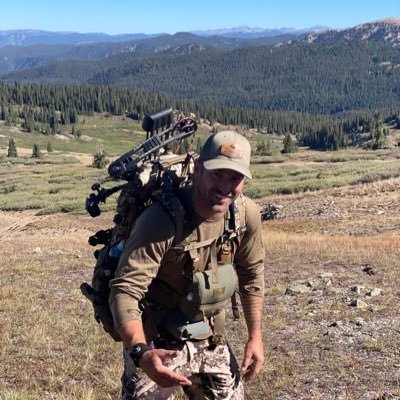
September 2025. Colorado.
I'd been training for five seasons. Five seasons of tag soup — no meat in the freezer. I'd put in the reps, dialed my form, and pushed my accuracy out to 100 yards. I had a complete setup — bow, arrow, release — that I'd purchased from a well-known bow shop in the Denver area. I trusted that what they put in my hands was enough to make a clean kill.
Three miles in from the truck, the moment finally came. I crested a hill a mile from my planned base camp and a 5x5 bull was drinking water below me. I crept in as close as I could without being noticed. I drew. I picked my spot. I sent the arrow.
Hit. He bolted. And something felt off.
I waited the full time before tracking. I got to the jump site, found the tracks — but no blood, and no arrow. Six hours of grid-searching later, no elk.
The next morning.
I got up and went back out. Another 5x5 stepped into range — but the closest I could get him was 70 yards, and the doubt from the day before was sitting heavy in my chest. I let him walk. I spent the rest of the day trying to recover the first bull. Nothing.
Wounding an animal is the thing every ethical hunter dreads. I beat myself up the whole drive home.
Then I ran the math.
Back at the kitchen table, I started checking numbers. Spine. FOC. Kinetic energy. Momentum. Arrow weight against draw weight, broadhead profile against penetration. The math didn't math. The setup I'd been sold — the one I'd trusted for five years — wasn't matched to the game I was hunting or the shot conditions I was taking.
A whiteboard turned into a spreadsheet. The spreadsheet turned into deeper math: ballistics, trajectory, sight tape calculations, environmental adjustments for elevation and temperature. I overhauled my entire setup from release to bow to arrows. I measured everything. I learned from every solid resource I could find.
And somewhere in the middle of all that, I realized: I have a background in tech. If running these numbers helped me rebuild my confidence, it could help someone else avoid the same morning I had.
That's why ArrowForge exists.
ArrowForge is the tool I wish I'd had before that September. It does the math I had to teach myself — spine matching, FOC, kinetic energy, momentum, trajectory, sight pin calibration, environmental adjustments — and shows you whether your setup is actually matched to the game and the distances you're hunting.
It runs entirely on your device. No tracking, no ads, no selling your data. The core app is free because I built it for a community I'm part of, not to monetize it.
If ArrowForge helps one archer step into their pursuit with more confidence, or helps one bow technician recommend better-matched gear, or just gives someone a new angle to reconsider their setup — it's worth it. I hope it helps you.
Beta testers welcome — we'd love your feedback.
Reach out to join the early access group before launch.